

Lash Porosity Explained: Why Fiber Surface Is the Key to Better Retention
You have tried switching your adhesive. You have meticulously adjusted your room’s humidity. You have even refined your wrapping technique. Yet, your client’s retention still isn’t where it should be. What if the problem isn’t your glue at all? The issue might actually lie in the surface of the lash extension itself.
In 2026, conversations around porous fiber and lash surface structure are gaining serious momentum across the global lash community – a clear signal that retention is no longer just a glue problem. This article explains exactly what lash porosity is, why it fundamentally dictates your adhesive’s grip, and how our Cashmere Silk material addresses this industry shift through advanced textured surface technology.
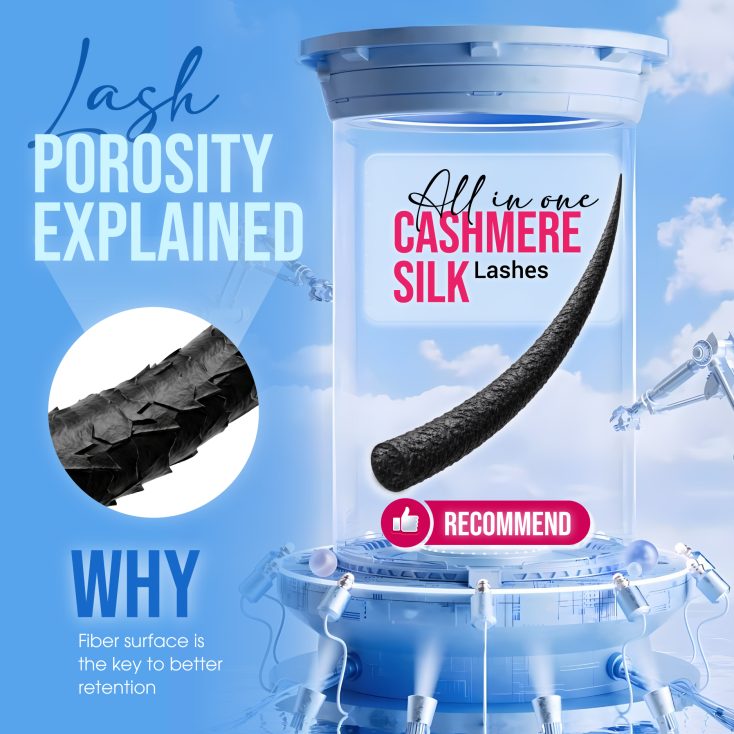
What Is Lash Porosity? The Concept Lash Artists Are Starting to Talk About
The growing interest in porous fiber technology across the lash industry points to one clear shift: retention is no longer just about adhesive. Lash artists are now starting to look at the lash extension fiber itself – especially its surface – as an important retention variable.
To understand lash porosity, it helps to borrow a concept most beauty professionals already know well: hair porosity.
Lash Porosity Understanding
Lash porosity refers to how well a lash extension fiber’s surface can interact with adhesive at a microscopic level.
On a standard smooth fiber, the adhesive mainly sits on the outer surface. Because the surface is clean, sealed, and slippery, there are fewer physical contact points for the adhesive to hold onto.
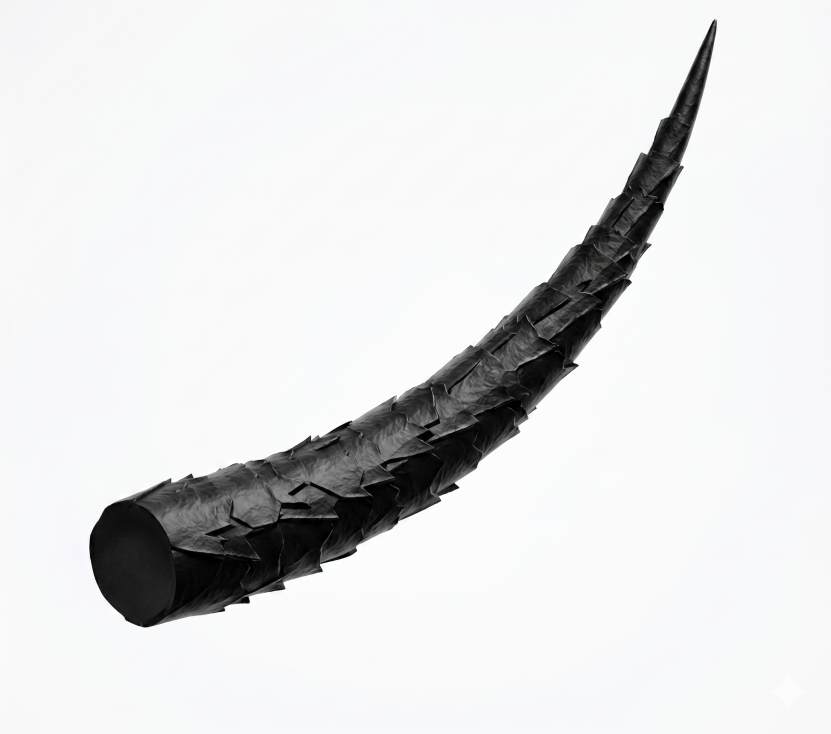
By contrast, a porous or textured lash fiber has micro-ridges, grooves, or tiny openings across its surface. These irregularities give adhesive more places to flow into, grip, and anchor. Instead of relying only on surface-level chemical adhesion, the bond gains additional physical support from the fiber structure itself.
In its most advanced form, this concept leads to porous lash fiber – where adhesive may penetrate deeper into the fiber structure rather than simply coating the outside. However, lash porosity does not always have to mean full internal penetration. In professional lash materials, even a controlled textured surface can improve grip by increasing surface-level contact point.
Applied from Hair Porosity
The concept of lash porosity can be understood through hair porosity.
Hair strands are protected by a cuticle layer made of tiny overlapping scales. In low-porosity hair, these cuticles lie flat and tightly sealed, making it harder for moisture or treatments to enter. In high-porosity hair, the cuticles are more open or lifted, allowing moisture, oils, and treatments to absorb more easily.
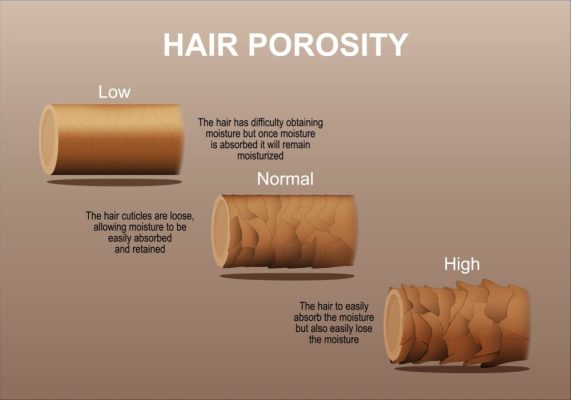
Source: Dr. Serkan Aygin
A similar principle can be applied to lash extension fibers. When the lash fiber surface is too smooth and sealed, adhesive has limited areas to grip. When the surface is engineered to be more textured or porous, it creates more microscopic anchor points for adhesive bonding.
This is why lash porosity has become an important retention conversation. It shifts the focus from adhesive alone to the interaction between adhesive and fiber surface – helping lash artists understand why material structure can directly affect grip, placement, and long-term retention.
Why the Industry Is Focusing on This in 2026 and 2027
For years, adhesive chemistry has been the primary focus of retention improvement. Formulations have grown faster, stronger, and more humidity-tolerant. But here is the quiet truth that top formulators and material scientists are acknowledging: we have largely reached the chemical ceiling of lash glue. Beyond a certain point, making adhesive stronger without improving the fiber’s surface is like trying to build a stronger grip on an oiled surface – the fault is structural, not chemical.
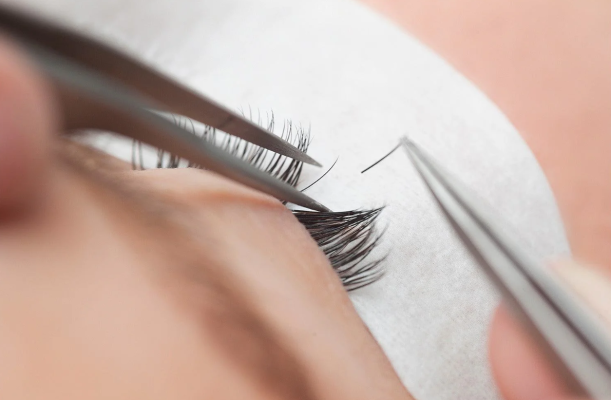
This is why lash porosity and physical grip are now the industry’s next frontier. The fiber surface is the final, largely untapped variable in the retention equation.
How Lash Porosity Affects Adhesive Bonding – 3 Mechanisms
01 – Adhesive Contact Area | 02 – Sliding Behavior | 03 – Curing Consistency |
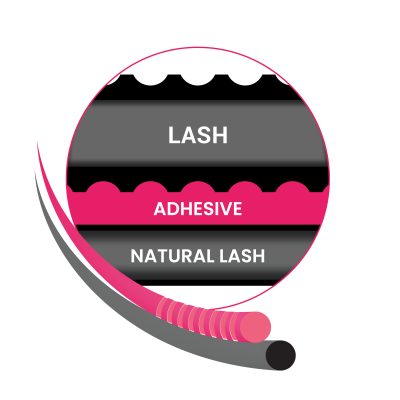 | 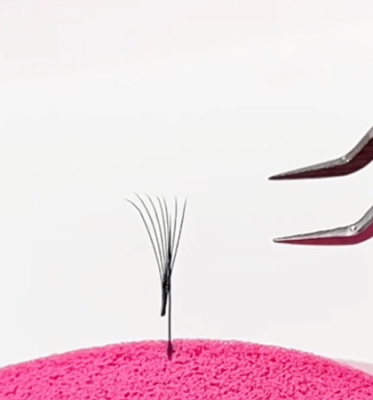 | 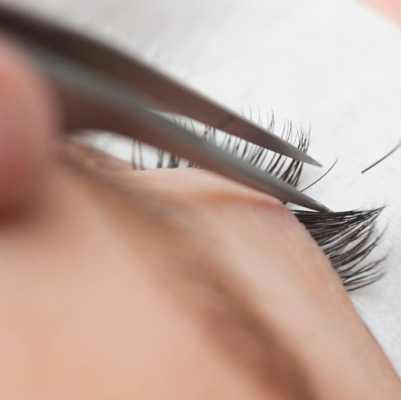 |
| Smooth fiber gives adhesive limited space to grip. Textured or porous fiber creates micro-ridges and grooves, giving adhesive more contact points and a stronger bond. | Before adhesive sets, smooth fiber can slide or shift on the natural lash. A textured surface creates micro-friction, helping the extension stay in place more easily during application. | On smooth fiber, adhesive can gather unevenly and create stiff glue spots. With better lash porosity, adhesive spreads more evenly across the surface, supporting a cleaner and more stable cure. |
Limitations of porous lash fiber
Porous lash fiber can improve adhesive absorption, but too much porosity may reduce fiber stability. The lash can become more prone to twisting, losing shape, or reacting to heat.
That is why controlled lash porosity matters: it improves grip and retention without compromising the lash fiber’s structure.
Smooth Fiber vs. Textured Surface: Why Lash Porosity Changes the Bond
Traditional smooth PBT lash extensions have a clean, uniform surface, but this also gives adhesive fewer physical points to grip. On a smooth fiber, adhesive mostly stays on the outside, so the bond depends mainly on chemical adhesion. From a lash porosity perspective, this means limited surface support for long-term retention.
Textured surface fiber works differently. By adding micro-ridges and grooves across the lash surface, it creates more contact points for adhesive bonding. Instead of acting like a simple coating, the adhesive can grip into the textured surface more securely. This gives the bond an extra layer of mechanical support – turning lash porosity into a practical advantage for better grip, stability, and retention.
Introducing CharmLash Cashmere Silk: Porosity-Inspired, Textured Surface Technology
Understanding the science is one thing. Building a product that reliably delivers it – at the quality standard a professional demands – is another. Rather than searching for a fiber that meets this scientific benchmark, CharmLash engineered one.
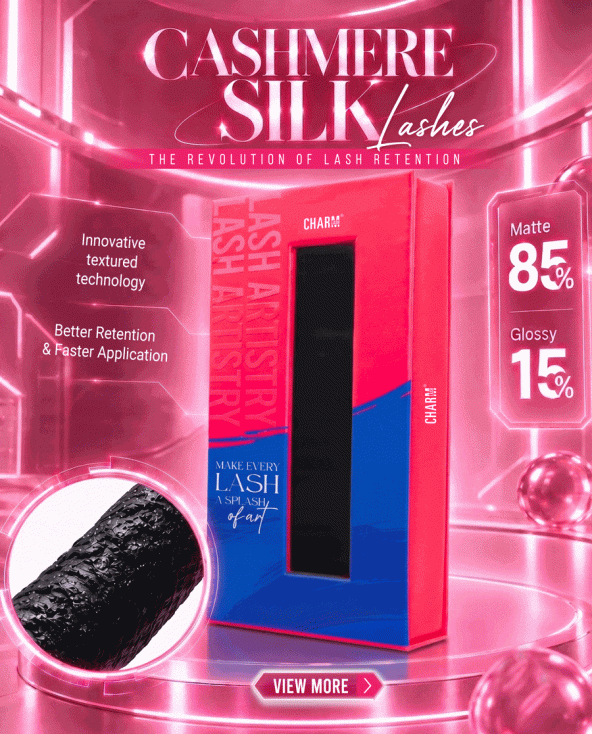
What Is Cashmere Silk and Why Does It Stand Out?
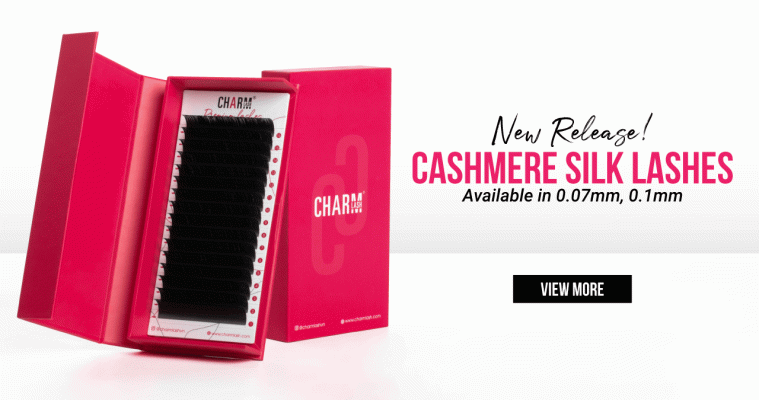
CharmLash Cashmere Silk is our proprietary textured-surface fiber, developed specifically to bring lash porosity principles to professional application. Its defining characteristic is a deliberately engineered rough surface texture that performs in precise alignment with the three bonding mechanisms outlined above:
- Contact Area: The rough, micro-ridged surface of Cashmere Silk dramatically expands the adhesive contact zone versus standard smooth fiber, ensuring a wider, more robust bond footprint from the very first touch.
- Anti-Sliding Grip: The textured surface creates immediate friction on placement. Extensions seat themselves more decisively, reducing micro-movement during the bonding window and allowing artists to work with greater speed and confidence.
- Uniform Curing: The micro-grooves distribute adhesive more evenly across the bonding point, minimizing brittle glue pockets and supporting a flexible, consistent cure that holds through daily wear.
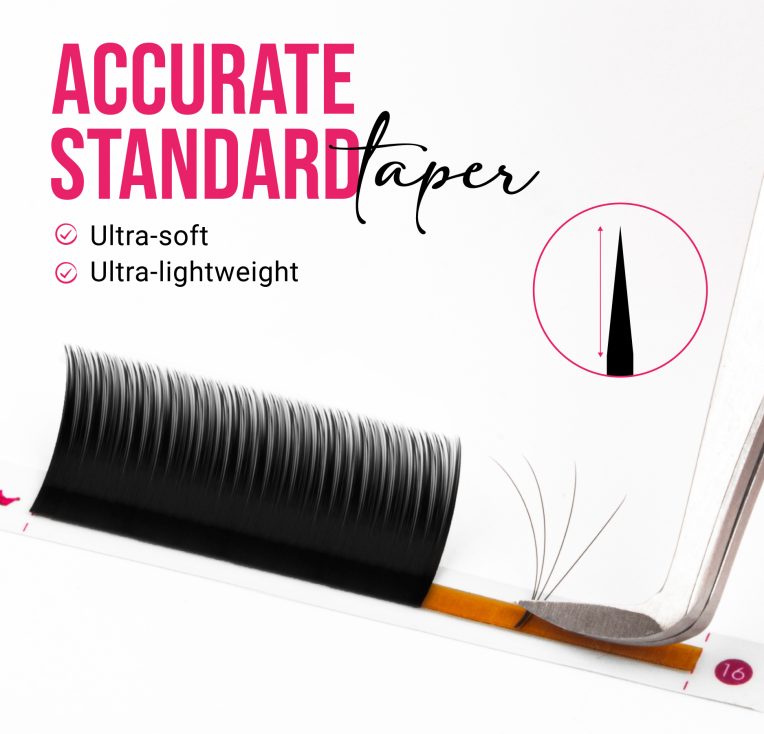
The result is a fiber that does not simply carry the adhesive – it actively collaborates with it to create a stronger, more durable bond.
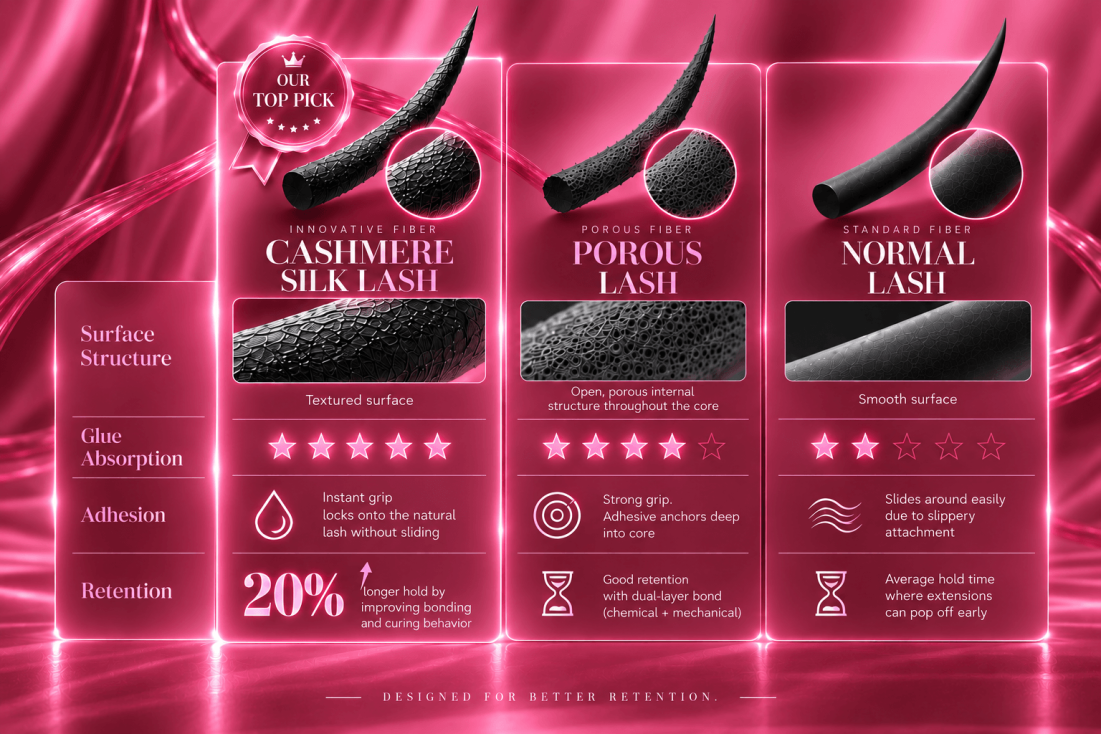
Textured Surface vs. Standard Smooth Fiber vs Porous lash: A Direct Comparison
What This Means for Your Lash Sets: Practical Benefits for Artists
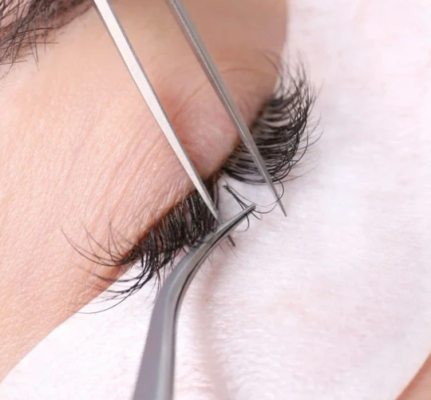
The science above translates directly and meaningfully to what happens at your lash bed. Less theoretical debate, more tangible results on the salon floor:
- Less sliding during application – extensions grip on placement rather than requiring repositioning, freeing artists to work with greater flow and speed.
- More confident, precise placement – the immediate micro-friction of the textured surface means your placement is your final placement. No drift, no second-guessing.
- Faster overall lashing time – when your material collaborates with your technique rather than fighting it, the entire set comes together more efficiently.
- Stronger long-term retention – dual-layer bonding (chemical + mechanical) gives clients results that last, reducing infill frequency and driving loyalty.
Stop chasing a new adhesive formulation as your primary lever. The frontier of retention in 2026 is fiber material. Upgrading your lash extension surface is the highest-leverage move you can make for client satisfaction this year.
Who Benefits Most from Cashmere Silk?
- Lash Artists: Application becomes less stressful and more intuitive. The fiber works with your technique — less repositioning, less second-guessing, smoother sessions from start to finish.
- Salon Owners: Elite retention is one of the most powerful reputation drivers in the lash industry. When clients consistently return saying their extensions lasted longer, your chair stays full and your reviews reflect it.
- Lash Trainers: Material science is the next chapter of lash education. Teaching lash porosity and fiber surface mechanics gives your students a genuine scientific foundation — and differentiates your curriculum from the majority still focusing on glue alone.
👉 Explore more:
Trending Colored Eyelash Extensions in 2026: The New Palette Redefining Lash Artistry
U Shaped Eyelash Extensions: The Refined Upgrade to YY & W Lashes