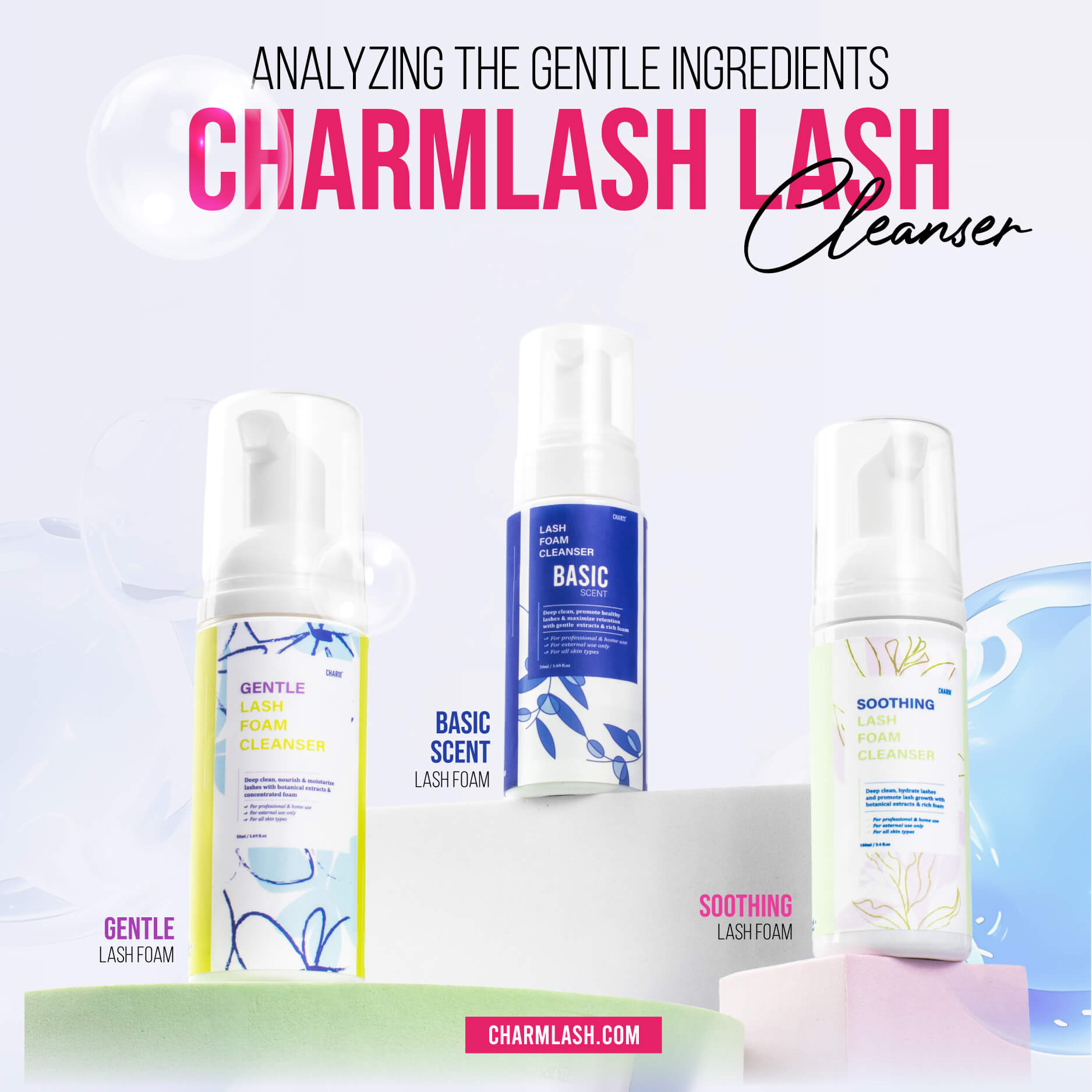



In the booming eyelash extension industry, lash shampoo has become a non-negotiable part of the lash care routine. From prepping natural lashes before application to encouraging clients to maintain good hygiene, lash shampoos are essential for retention, safety, and client satisfaction.
However, not all lash shampoos are created equal—and one critical factor often overlooked is pH. The pH level of a lash shampoo can dramatically influence lash retention, skin sensitivity, lash health, and even how the adhesive performs.
This blog will walk you through everything lash artists need to know about pH in lash shampoos, why it matters, and how to select the best formula for your clients and business.
What is pH and Why Should Lash Artists Care?
pH, which stands for “potential of hydrogen,” is a scale used to measure how acidic or alkaline (basic) a substance is. It ranges from 0 to 14:
- A pH of 7 is neutral (like pure water).
- Below 7 is acidic.
- Above 7 is alkaline (basic).
The human skin—including the eyelids—has a natural pH level of approximately 4.5 to 5.5, which is slightly acidic. This acidity helps maintain the skin’s protective barrier and keep harmful bacteria at bay.
When it comes to lash shampoo, understanding this balance is crucial. A formula that’s too acidic or too alkaline can:
- Disrupt the skin’s microbiome
- Cause irritation or dryness
- Damage the natural lashes
- Interfere with lash adhesive performance
As lash artists, using the wrong pH shampoo might lead to complaints of sensitivity, poor lash retention, or even allergic-like reactions—not to mention unhappy clients who won’t return.
The Ideal pH Range for Lash Shampoos
The ideal lash shampoo should fall within a mildly acidic to neutral range—usually between 5.0 to 7.0. This range ensures the shampoo:
- Is gentle enough for the sensitive eye area
- Doesn’t strip the skin’s natural oils
- Can effectively clean oil, makeup, and residue from the lash line
- Doesn’t interfere with the adhesive’s ability to bond
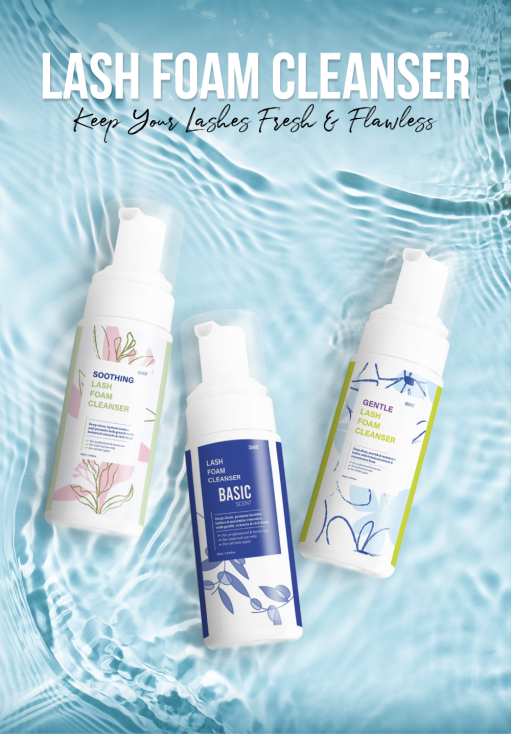
A shampoo with a pH too far from this range might still remove dirt and makeup but can compromise lash health and longevity over time. That’s why professional lash brands pay close attention to the pH of their formulas, often opting for foam cleansers that are specially crafted for the lash and eye area.
What Happens If You Use a pH-Imbalanced Lash Shampoo?
Let’s say a shampoo has a pH of 8.5 or 9.0. That may not seem like a big leap, but in chemical terms, that’s 10 times more alkaline than a shampoo with a pH of 8.0. On the lash line, such alkalinity can disrupt the skin barrier, making the area dry, flaky, or itchy.
It may also weaken the lash hair cuticle, making natural lashes more brittle and prone to fallout. For clients who wear extensions, this can translate to:
- Poor adhesive bonding
- Shorter retention periods
- Increased lash loss
Conversely, shampoos with a very low pH (below 4) may be too acidic and sting the eyes. They can also cause mild burns, skin irritation, or trigger inflammation for sensitive clients.
This is especially important when you consider that lash clients often cleanse every day or every other day, so even a slightly off-balance formula can lead to cumulative damage over time.
How pH Affects Lash Extension Adhesive
This part often goes unnoticed—even by experienced lash techs.
Most lash adhesives used in extensions are cyanoacrylate-based, which means they require a precise balance of moisture and pH to cure properly. If lashes are cleansed with a shampoo that alters the surface pH too dramatically, it can interfere with:
- How the adhesive bonds to the natural lash
- The curing time
- The strength and longevity of the bond
For example, if the lashes are left slightly alkaline due to an off-balance cleanser, the adhesive may take longer to dry or may form brittle bonds that break after a few days. The result? Poor retention and more frequent infill appointments.
Therefore, choosing a lash shampoo with the right pH is not just a comfort issue—it’s a technical requirement.
What Should You Look For in a Lash Shampoo?
Besides pH, there are several characteristics that define a high-quality lash shampoo. But for the purposes of this blog, let’s focus on elements that interact directly with the pH factor.
1. pH Transparency
The first thing to check is whether the pH is listed on the product label or packaging. Many professional lash shampoo manufacturers provide this information, and if they don’t, it’s worth asking.
Look for shampoos in the 5.5 to 7.0 range. Some brands may advertise “pH balanced” without giving a specific number. In such cases, you may need to test it yourself using pH strips—or avoid it if the manufacturer won’t confirm the range.
2. No Harsh Surfactants
Some shampoos may be technically pH-balanced but still include sodium lauryl sulfate (SLS) or other harsh foaming agents. These can strip away too much natural oil and cause dryness—especially around the sensitive eye area. When possible, opt for SLS-free, paraben-free, and fragrance-free formulas.
3. Oil-Free Formulation
Even if the pH is perfect, any trace of oil in the formula can weaken lash adhesive bonds. For this reason, lash shampoos should always be oil-free. Oils can break down the cyanoacrylate in lash glues, causing premature lash shedding.
Why Lash Artists Should Offer Professional Lash Shampoo
Many lash salons already stock lash shampoo for client use before the appointment. But if you aren’t already retailing lash shampoo as part of your lash aftercare strategy, now’s the time to start.
Offering your own curated or branded shampoo has multiple benefits:
- Revenue stream: You can increase your service income with each sale.
- Retention control: You ensure your clients are using a formula that supports your work.
- Brand trust: Clients see you as a lash authority who educates and cares about their results.
If clients go home and use a regular facial cleanser or makeup remover, they risk damaging their lash extensions and coming back dissatisfied—not because of your work, but because of their home care.
By offering a pH-balanced, oil-free lash shampoo, you’re giving them the tools they need to protect their investment and extend their retention.
How to Choose the Right Lash Shampoo for Your Business
There are hundreds of lash shampoos on the market. Some are designed by lash extension brands, others are general-purpose foam cleansers marketed for lashes. Here’s how to narrow down your choice.
Match It to Your Client Base
If you serve clients with sensitive skin, allergies, or conditions like blepharitis, you’ll want a gentle, minimal ingredient formula. Avoid anything with strong fragrance, menthol, or essential oils.
For high-volume studios with daily walk-ins or back-to-back appointments, opt for fast-rinsing foam shampoos that don’t leave residue or require double cleansing.
Consider Private Label or Wholesale
If you’re planning to sell lash shampoo to your clients, you might want to look into private label options. Many manufacturers offer bulk or wholesale pricing for lash brands who want to put their own logo on the bottle. Just make sure the formula is:
- Dermatologist-tested
- Specifically designed for eyelash extensions
- Has a proven pH within the safe range
This allows you to maintain control over the products your clients use while boosting your professional brand.
Check Compatibility with Your Glue
Some lash shampoos include ingredients that interact poorly with high-speed adhesives or temperature-sensitive glues. Before committing to a shampoo line, test it in your own work cycle: prep the lashes, apply a full set, and monitor retention over 2–3 weeks.
If retention improves or stays stable, the shampoo is doing its job. If you see lashes popping off earlier than usual, revisit the formula—or test its pH directly.
Educating Clients on Proper Lash Washing
It’s one thing to give your client a bottle of shampoo; it’s another to teach them how to use it correctly.
Many clients still fear washing their lashes, thinking it will cause shedding. But the opposite is true: not washing leads to build-up, which weakens bonds, causes irritation, and can even result in infections.
Take a few minutes at the end of each appointment to show your client:
- How to pump one or two drops of lash shampoo onto a clean brush
- How to gently lather the lashes in a downward motion
- How to rinse thoroughly and pat dry
- How often they should wash (at least 3x per week, or daily for oily skin)
The more your clients trust you with education, the more loyal they become to your lash business.
Final Thoughts: pH Is Small But Mighty
It’s easy to dismiss pH as a tiny number on a label, but for lash artists, it can make the difference between healthy, long-lasting extensions and unhappy clients with poor retention.
The ideal lash shampoo should be:
- pH-balanced within 5.5–7.0
- Oil-free and gentle
- Free of harsh ingredients
- Compatible with your adhesive
- Easy for clients to use at home
Whether you’re shopping for your salon or developing your own lash brand, always consider pH as a core decision-making factor. It may be invisible, but its effects are clear—and your lash business will thrive when you get it right.