



As a lash artist, your portfolio is your most powerful marketing tool. Effective lash marketing relies on two key photographic pillars: professional product photography of your products to showcase quality, and engaging model photography to help clients visualize your artistry and drive themed sales campaigns. Mastering the strategic angles for your products and selecting the right models for your artistic vision are crucial steps in building a compelling visual for your business.
1. Master your lighting setup
Good lighting is the single most important factor in stunning lash photography. It is what separates professional lash pictures from amateur snapshots.
- Prioritize natural light. Indirect, natural sunlight, such as shooting near a window during the day, is the most flattering light source. It illuminates the lashes evenly without creating harsh contrasts.
- Invest in a ring light or LED light. If natural light isn’t an option, a ring light provides uniform, diffused lighting. This helps to highlight the delicate details of the lashes consistently. When using artificial light, ensure the light source is balanced: too bright, and the eye area can look washed out, and the lashes may appear sparse.
- Eliminate shadows. Check your frame before you click. Shadows cast by your phone, camera, or body can distract from the lashes.
2. Prepare and groom the eyes for the camera
Before you take a single photo, the client’s eyes and the surrounding area must be impeccably clean and groomed to ensure the focus is solely on the lash application. A clean eye area is non-negotiable for professional lash pictures.

- Tidy up the application area. Always remove any under-eye patches, tape, or glue residue from the skin.
- Groom the lashes and brows. Use a disposable lash styling brush to fluff the extensions into place and ensure they are full and neatly organized. If the eyebrows are visible in the photo, groom them as well, or use a concealer to clean up under the brows and brighten the area, if needed.
- Avoid visible irritation. If your client’s eyes appear red or irritated (which can happen after keeping them closed for a long time), take a picture with their eyes closed or wait a few minutes for the redness to subside.
3. Use the right equipment and technique
You don’t necessarily need a fancy DSLR camera to capture great lash photos; a modern smartphone camera often suffices, provided you use the right technique and accessories. The right equipment ensures sharp, high-definition lash pictures.
- Capture product details. When photographing lash trays, use a 45-degree side angle to clearly show the curl height and dimension. This angle highlights the quality of the lash fiber. Avoid a top-down (90-degree) view, as this flattens the curl shape, obscuring the product’s quality and differentiation.
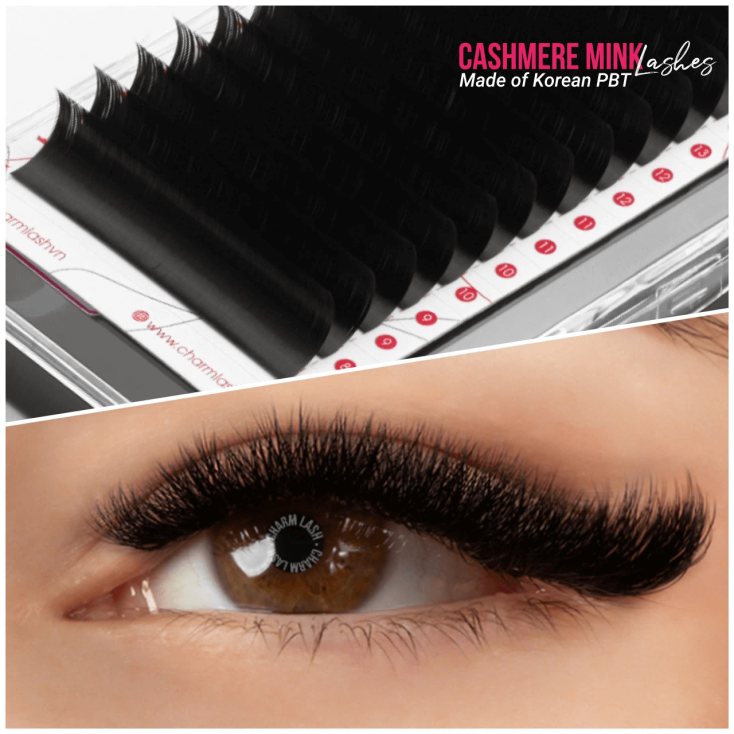
- Get close without zooming. To capture the highest definition, hold your camera or smartphone as close to the client’s eye as possible. Avoid using the digital zoom feature, as this decreases the resolution and can make the lashes look blurry or pixelated.
- Consider your lens. While a macro lens is excellent for extreme close-ups that show intricate detail (like perfect fan attachment, useful for trainers), a standard or wide-angle lens (without zooming) is better for showing the overall design, which is what potential clients want to see.
- Stabilize your shot. Use a tripod or stabilize your hand against a solid surface to prevent camera shake and ensure a crisp, sharp photo.
4. Focus on angles and composition
The angle you choose determines what aspects of your work stand out. A variety of angles ensures you showcase the full scope of your skill, whether you are specializing in volume or beautiful classic eyelash extensions for gorgeous eyes.
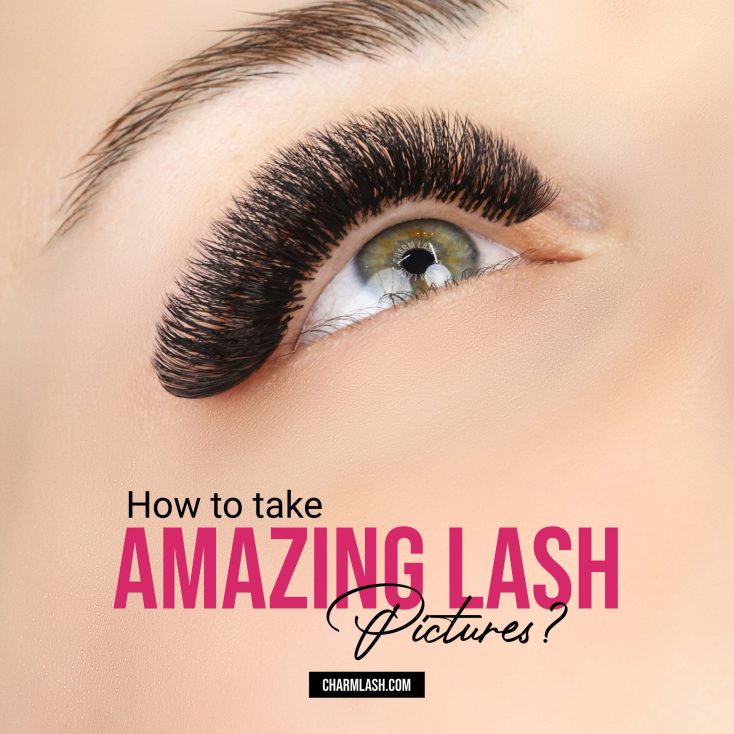
- Shoot from multiple angles. Take lash pictures from a frontal angle (showing symmetry), a slight side angle (highlighting curl and length), and with the eyes closed (emphasizing the lash line). This provides multiple options for your portfolio and social media content.
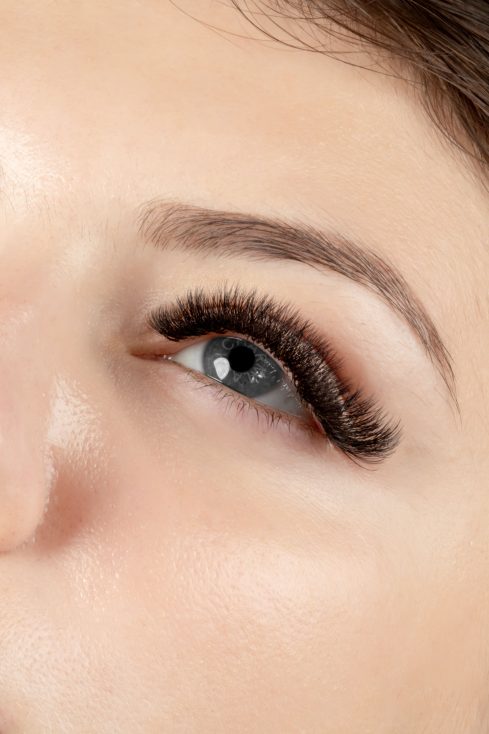
- Show the overall design. While close-ups are great, be sure to pull back sometimes to show the client’s full face or eye area. This helps potential clients visualize how the new lashes will complement their unique eye shape and features.
- Use the rule of thirds. Imagine your photo frame is divided into nine equal squares. Place the focal point, such as the outer corner of the lash line or the pupil, along these lines or at the intersections. This composition technique naturally draws the viewer’s eye and makes the image more visually appealing.
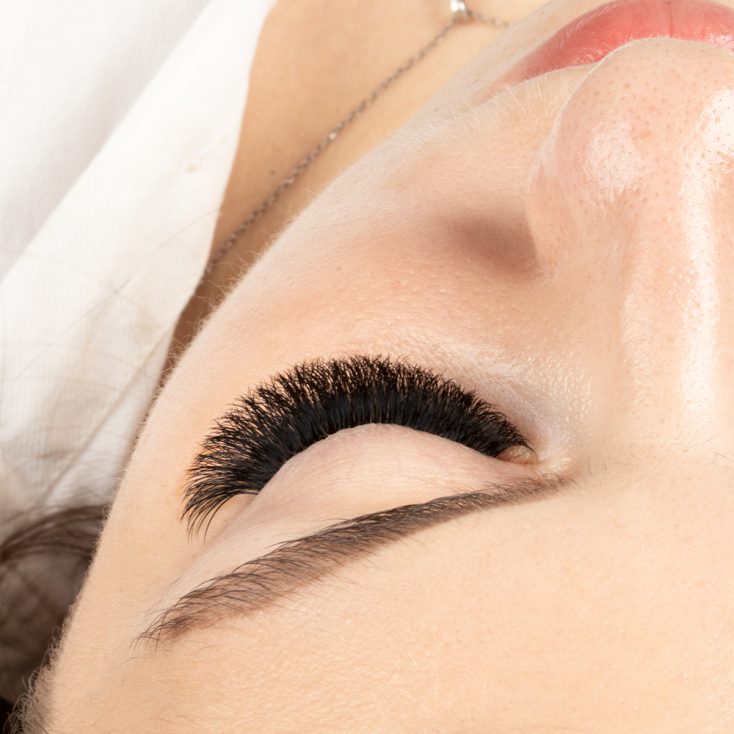
5. Create a clean, distraction-free backdrop
A busy or cluttered background will steal attention from your beautiful lash work. The backdrop should frame the lashes, not compete with them. Always ensure your background supports your lash pictures, not competes with them.
- Keep it simple. Use a plain, neutral-colored background, such as white, light grey, cream, or soft pastels. This ensures the lashes “pop” and remain the central focus.
- Crop when necessary. If you can’t control your surroundings, crop the photo tightly around the client’s eye to remove distracting elements.
- Use consistency. Maintain a consistent aesthetic in your angles, lighting, and editing across your social media feed to create a cohesive and professional brand image. If you’re interested in building your own, read our guide on private-label lash extensions.

6. Edit ethically and sparingly
Editing is for enhancement, not deception. Subtle adjustments can make a good photo great, but over-editing can misrepresent your work and look unnatural. Always keep your lash pictures looking true to life. If you are working on mastering technique, especially for subtle looks, learning how to achieve natural-looking lash extensions for beginners is key.
- Adjust for clarity. Only use editing apps (like Snapseed, VSCO, or the native phone editor) to adjust the basics: brightness, contrast, and sharpness.
- Do not digitally fix your work. Never use editing tools to fill in gaps, correct attachment issues, or manipulate the look of the lashes. Your photos must be true to the actual quality of your lash application.
- Minimize skin retouching. Avoid heavy airbrushing or blurring the skin. If there is noticeable redness or a blemish, simply crop closer to the eye to minimize the area shown, rather than drastically changing the client’s natural skin texture.
7. Showcase variety and grow your brand
Your photos are part of a larger business strategy for social media. If you are looking to become a wholesale lash distributor, high-quality lash pictures are critical for your success.
- Always obtain consent. Ask your client’s permission before taking photos and posting them online. You may consider using a model release form to ensure you have the legal right to use their images for marketing.
- Show different styles and campaign themes. Features a wide variety of work, including classic, volume, and mega volume sets, as well as different lengths and curls. This demonstrates your versatility and caters to a broader audience.
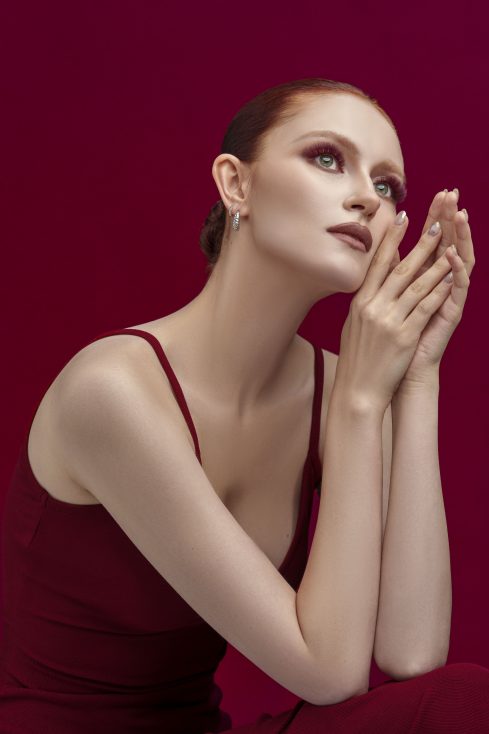
- Strategic Model Choice: When selecting models, always match them to the desired style: use models with striking features for bold, dramatic looks, and softer features for natural enhancement.
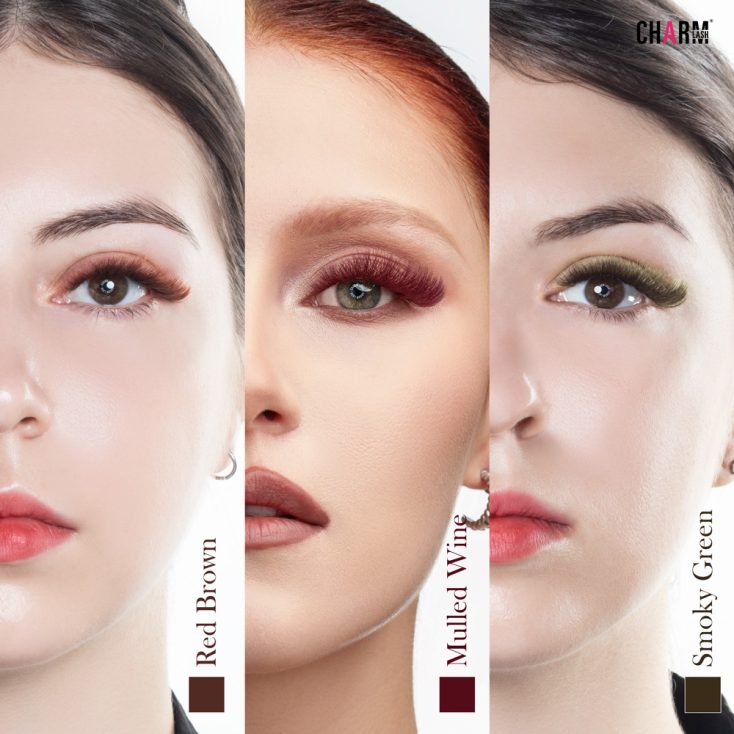
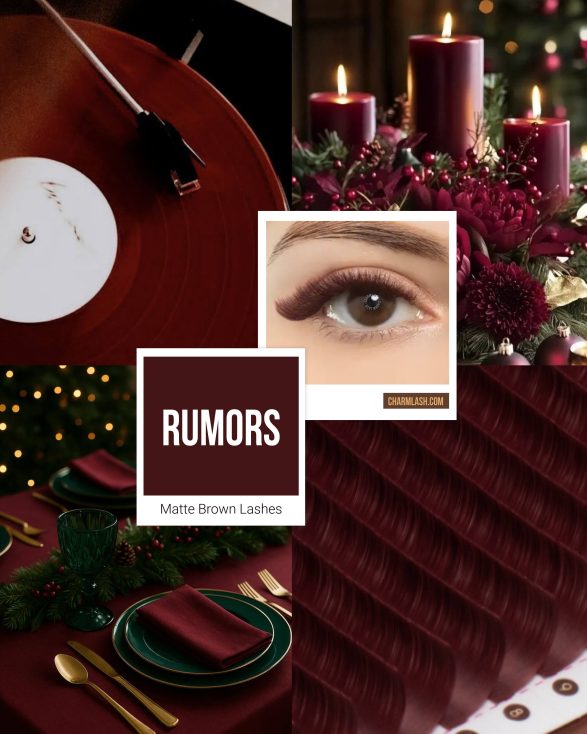
- Seasonal Campaigns: Plan themed content for occasions like summer holidays, Christmas, and New Year’s Eve. For example, a Christmas shoot might be inspired by “mulled wine” tones, requiring a model with complementary reddish hair or a “mocha mousse” blonde look. Keep your seasonal offerings fresh by following the top eyelash extension styles in 2025.
- Use content variety. Don’t forget to mix up your content with videos, Boomerangs, and before-and-after shots. Consistent, high-quality lash pictures drive engagement. Your success as a lash distributor starts with amazing imagery.
8. Utilize detail shots and transformations
Showing a variety of close-ups builds client trust and showcases your technical skill.
- Capture before-and-after photos. These are arguably the most compelling type of lash pictures because they clearly demonstrate the dramatic transformation you provide. Ensure the lighting and angle are consistent in both shots.
- Use macro shots for precision. If you are a lash trainer or want to emphasise your meticulous isolation and attachment, close-up macro lash pictures are invaluable. They prove your fans are perfect and your application is flawless.
- Document the process. Occasionally, take lash pictures of clean station setups or tools. This highlights your commitment to safety and hygiene, which is a significant selling point.
9. Optimize your visuals for social media
Social platforms have specific requirements that can make or break your content’s success.
- Mind the aspect ratio. A 4:5 ratio works best for the standard Instagram feed layout. For stories or reels, use a vertical ratio (9:16) to maximize screen space.
- Embrace video content. Videos like Boomerangs (showing the eye-opening/closing) or slow-motion brushing through the lashes are highly engaging. Video content often receives more exposure, helping your lash pictures get seen by a wider audience.
- Use hashtags strategically. Research local, large, and niche hashtags. These tags categorize your lash pictures, making them searchable by your potential clients and beyond.
10. Final thoughts
Mastering lash photography is an ongoing skill, just like the application process itself. By focusing on your setup, perfecting your lighting, angles, and ethical editing, you will transform every finished set into a powerful marketing asset. Start applying these techniques today, practice makes perfect, and watch your portfolio and client bookings grow.
To discover more expert tips on capturing stunning lash pictures, see examples of perfect lighting and composition, and find inspiration for your next photo shoot, connect with us today on Instagram and Pinterest!