


We all believe that beautiful lashes start with healthy eyes. As a dedicated lash manufacturer, we are committed to providing not only the highest quality products but also essential expert knowledge. That’s why we want to shed light on a common yet serious eye health issue: the ingrown eyelash, medically known as trichiasis.
If you’ve ever felt a persistent, gritty, and painful scratching sensation that won’t go away, the culprit may be an ingrown eyelash. Trichiasis occurs when a natural lash grows inward, rubbing against the delicate surface of the eye (the cornea or conjunctiva).
This condition is more than just discomfort. Constant rubbing from an ingrown eyelash can lead to serious complications like corneal abrasions or ulcers, making prompt, professional treatment essential to protect your vision. We urge all professionals and clients to know exactly what to do when they spot an ingrown eyelash. For more general information on the medical condition, you can refer to reliable resources, such as Healthline’s post on ingrown eyelashes.

A. What is the cause of trichiasis?
Understanding the causes helps us focus on prevention. Trichiasis is rarely random; it often results from underlying conditions:
- Blepharitis (Chronic eyelid inflammation): This is the most common trigger. Inflammation at the lash line can distort the hair follicle, causing the lash to emerge on the wrong trajectory.
- Trauma or Burns: Injury to the eyelid can scar the follicle, permanently altering its growth direction.
- Infections: Past or chronic bacterial infections, such as trachoma (rare in developed areas), cause scarring that pulls the eyelid margin and misdirects the lashes.
- Aging and Entropion: Weakening tissues can cause the eyelid to roll inward, forcing the natural lashes into the eye.
B. The crucial distinction: Why this is not a DIY fix
Unlike a simple stray hair, an ingrown eyelash is a structural issue originating deep within the follicle. Please do not attempt to tweeze or pull the lash out yourself. This carries significant risks, including infection and potential corneal damage.

If you suspect you have an ingrown eyelash, the very first step is to consult an eye care professional (Optometrist or Ophthalmologist). They possess the specialized equipment and training necessary to safely confirm the diagnosis and treat the misdirected lash.
C. Immediate comfort and prevention strategies
While you wait for your professional appointment, you can focus on minimizing irritation and addressing the root causes of recurring trichiasis.
1. At-home soothing (Temporary relief)
- Lubricating drops: Use preservative-free artificial tears to create a temporary protective barrier, easing the friction caused by the ingrown eyelash.
- Warm compresses: Applying a clean, warm compress for a few minutes can help soothe associated eyelid inflammation.
2. Focus on eyelid hygiene (Prevention)
As a lash artist, your choice of materials directly impacts client safety. Using the right products minimizes irritation that could aggravate sensitive eyes already prone to issues like trichiasis. We often discuss the fine details of professional supplies, from understanding lash adhesive viscosity to choosing the perfect bonding glue for lashes. Even topics like top eyelash extension styles in 2025 need to be considered carefully when working with a client who has a history of eye sensitivity.
D. Professional solutions for permanent results
If you have a recurrent ingrown eyelash, your eye doctor will perform treatments ranging from temporary epilation to permanent follicle destruction.
1. For professionals: Supporting client eye health
Your role is key in aftercare and safe removal. When an ingrown eyelash becomes inflamed, clients may need a swift and safe removal of extensions before seeking medical attention. Always rely on an effective, gentle lash adhesive remover to protect the natural lashes and surrounding delicate skin.
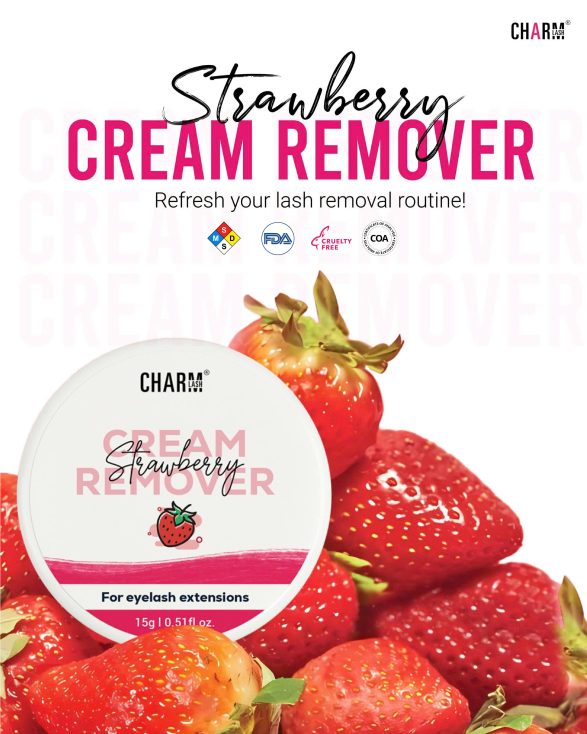
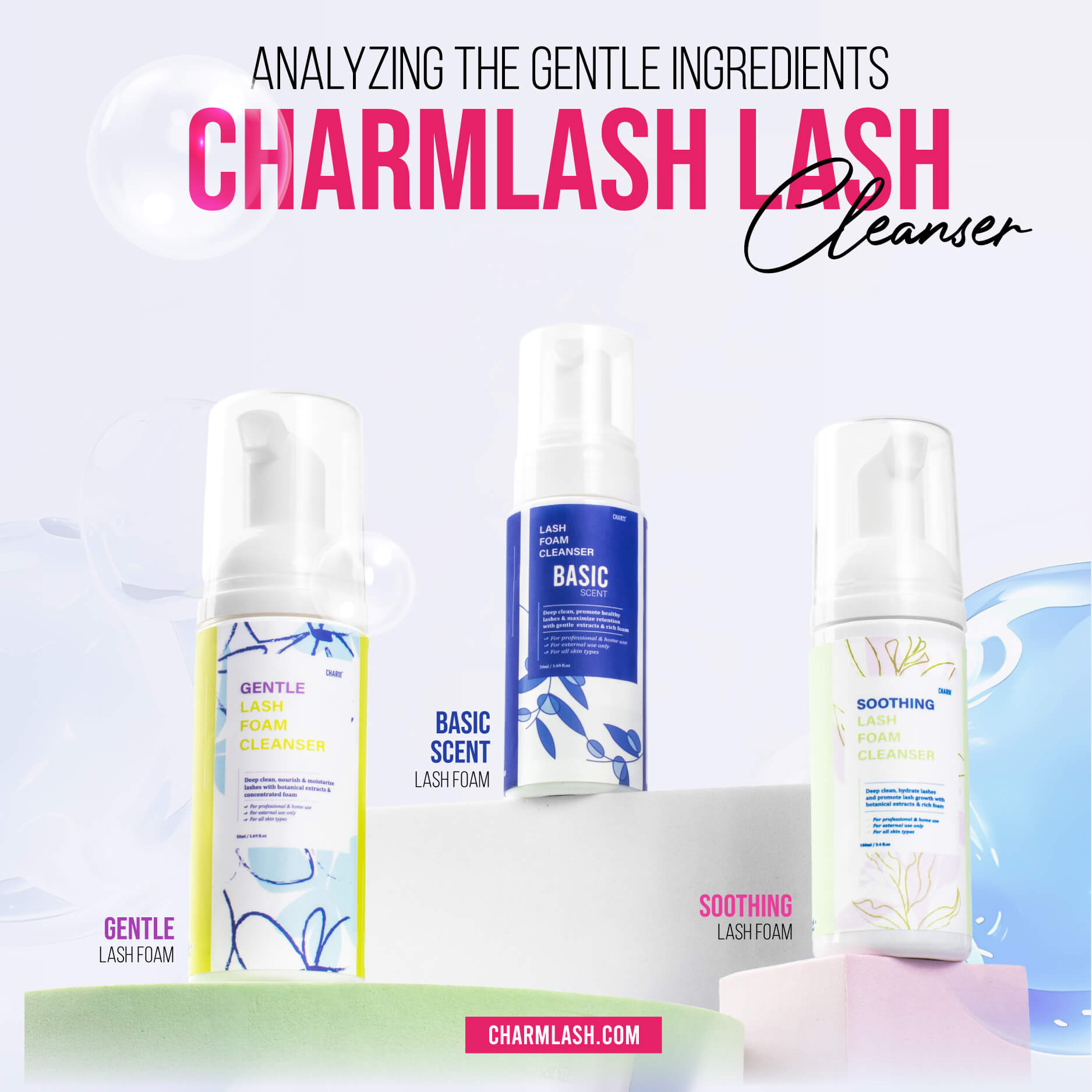
In addition, if you unfortunately suffer from ingrown eyelashes, keeping your lashes clean is also in the safety protocol. Make sure to keep your lashes clean, free from oil and dirt, to avoid inflammation. At CharmLash, we offer lash foam cleansers for all types of skin and conditions.

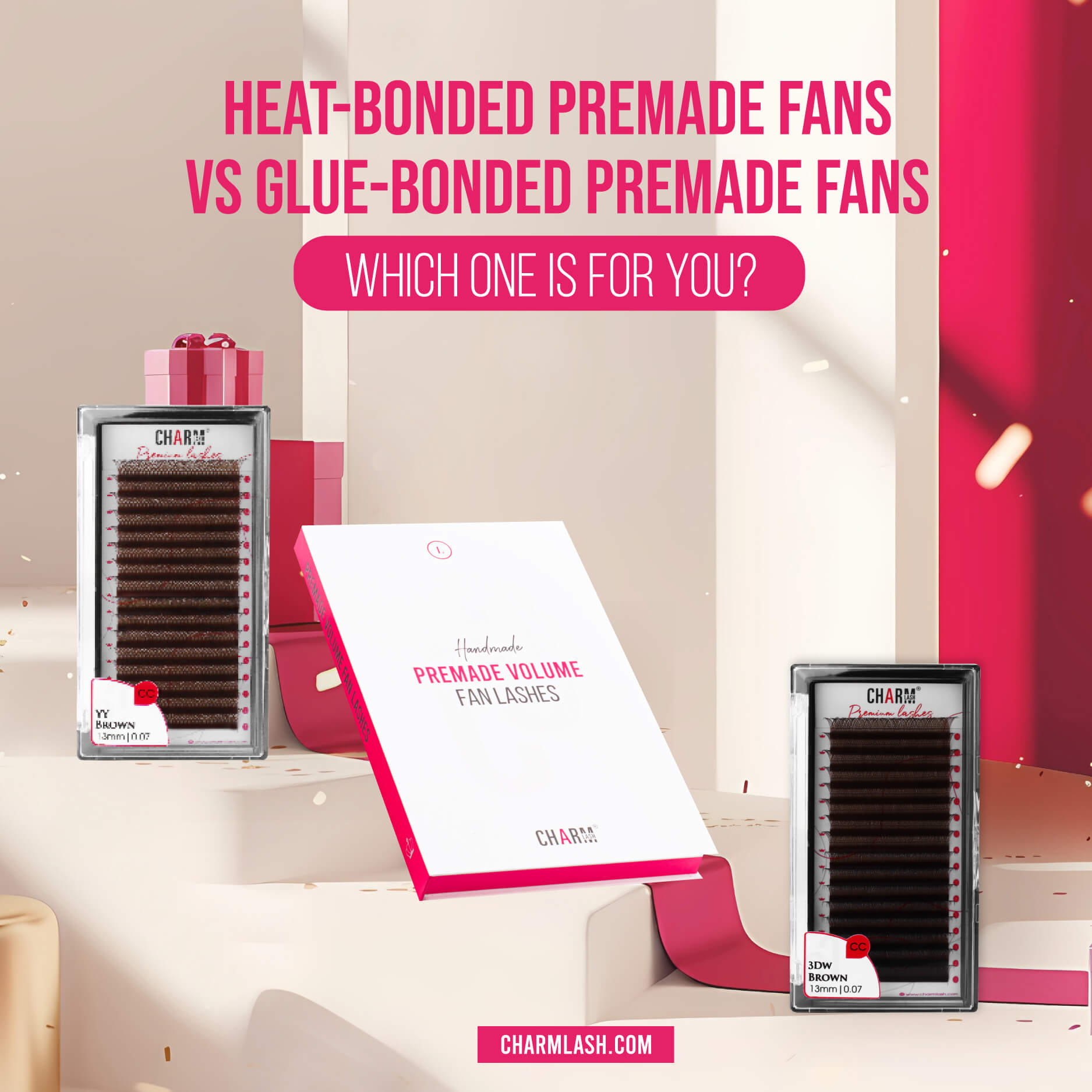
The quality of products used throughout the entire service is paramount, especially when working on eyes that have experienced issues like trichiasis. Knowing how to choose the right bonding glue for lashes and understanding the different formulas is a critical skill. Furthermore, reviewing lash adhesive viscosity is essential for proper technique. For clients with heightened sensitivity, understanding all about eyelash extension glue for sensitive eyes is non-negotiable for client safety.
For industry professionals looking to maintain a high standard of eye safety and quality product availability, learn more about the benefits of working with us as a CharmLash wholesale lash distributor.
2. The link between eye health and lash extensions
For clients who love lash extensions, managing an ingrown eyelash is especially important. While the extensions themselves do not cause trichiasis, the presence of misdirected natural lashes can make retention impossible and dramatically increase irritation. If a client is experiencing an ingrown eyelash or active trichiasis, extensions must be safely removed and reapplied only once the condition is treated and healed.
E. Final takeaway
Focusing on the health of your natural lashes, keeping them meticulously clean, conditioned, and free of inflammation, is the most effective way to prevent the conditions that lead to trichiasis. Promote eye health first, and beautiful lash looks will follow!
For more insights on professional lash techniques and product innovation, you can follow us to learn more on Instagram or Pinterest!