


Whether you’re a lash newbie or a seasoned fan of extensions, chances are you’ve Googled the question: “Can you remove lash extensions at home?” It’s one of the most searched (and debated) topics in the beauty world right now. With countless YouTube tutorials and Reddit threads suggesting ways to do it yourself, it’s easy to feel tempted. But as a lash extension manufacturer, we’re here to share the real, professional perspective on removing lash extensions at home, why it’s not recommended, what the risks are, and what to do if going back to the salon just isn’t an option.

A. Why do people consider removing lash extensions at home?
Let’s face it: life happens. Maybe you’re too busy to book a fill, the salon is too far, or your lashes are growing out unevenly and starting to poke. We get it. In these moments, removing lash extensions at home feels like the only option. And while we understand the motivation, there are serious concerns that often get overlooked in those DIY videos, and the question of “can you remove lash extensions yourself?”
B. What are the hidden risks of removing lash extensions at home?
You might be searching for “how to safely remove lash extensions at home,” but the truth is, few true professionals endorse the practice. Here are the major risks of DIY lash removal:
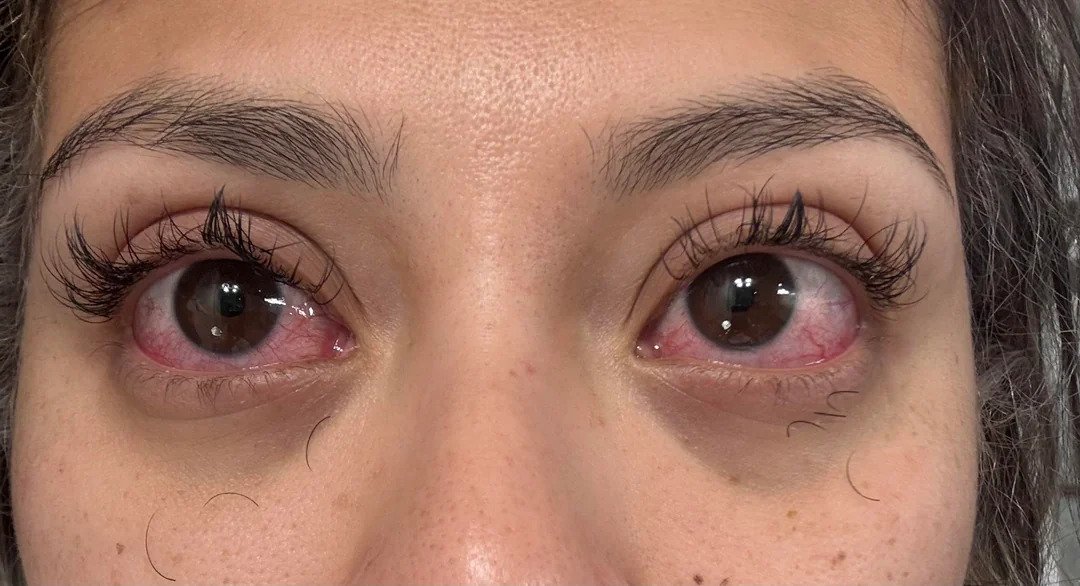
1. You risk damaging your natural lashes
Lash extensions are bonded to your natural lashes using strong, cyanoacrylate-based adhesive. If you try to pull or peel them off, you risk pulling your natural lashes with them, leading to bald spots or long-term damage. According to NovaLash, professional lash artists are trained to safely dissolve the adhesive without causing harm—something that’s hard to replicate at home.
2. You might cause irritation or infection
Many DIY lash removal hacks involve using oils, steam, or even tweezers to loosen extensions. These methods can introduce bacteria, damage the delicate skin around your eyes, or cause irritation—especially if you’re not using professional-grade products.
3. Buildup and inflammation
Residue from partially dissolved adhesive or leftover product can cause discomfort and increase the risk of infection.
4. Most home methods don’t fully work
Googling phrases like “how to get lash extensions off at home” or “how to safely remove lash extensions at home” might lead you to coconut oil or baby oil suggestions. While oils can slightly loosen the bond, they usually won’t dissolve lash glue completely. This means leftover adhesive, clumpy lashes, and frustration. This is why many wonder, can you remove lash extensions yourself effectively?
C. Common DIY methods for removing lash extensions at home and why they didn’t work
If you’re wondering, “Can you remove lash extensions yourself?” effectively, the answer is likely no.
1. Steam and oil
Some people try to steam their face and then apply oils to break down the glue. The issue? Lash glue isn’t fully oil-soluble; it’s made to withstand moisture and oil. These methods only make lashes slippery and harder to remove cleanly.
2. Pulling or picking
We beg you: don’t. Trying to take off lash extensions at home by picking at them almost always damages your natural lash line. This is a major risk of DIY lash removal.
3. Using expired or non-professional removers
Non-salon removers can be too harsh or too weak, and expired products may irritate your skin.
D. How professionals remove lash extensions safely
1. The role of professional lash removers
Lash artists use specially formulated gel or cream removers to safely break down Ethyl cyanoacrylate – the strong adhesive used in lash extensions.
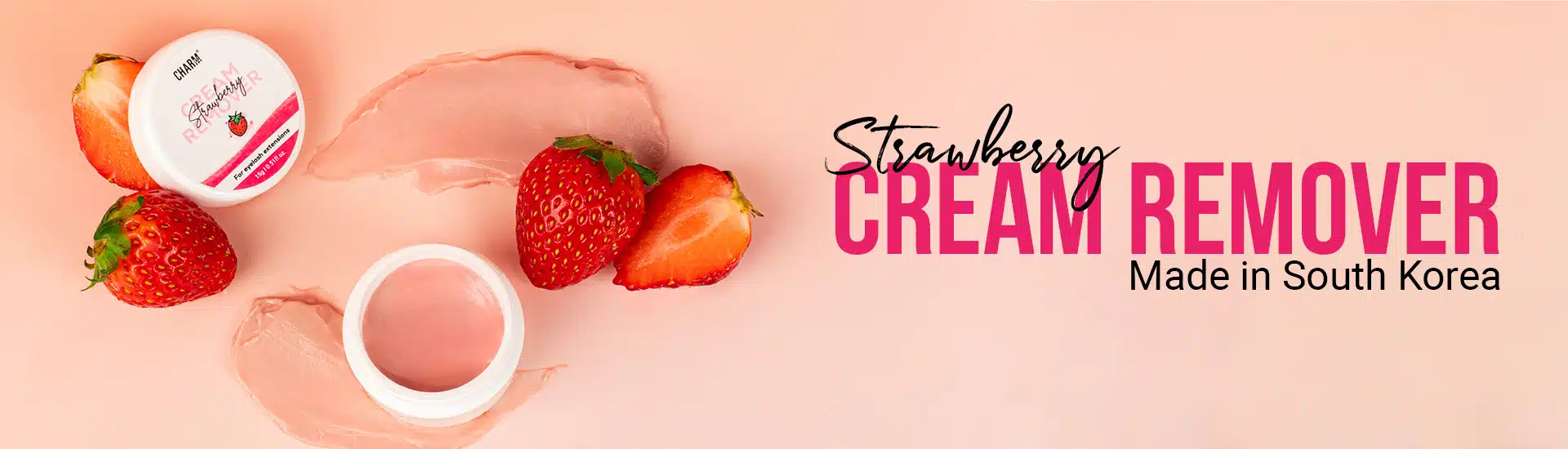
These removers are eye-safe, non-irritating, and effective. The two most common types are:
- Gel remover: thin and precise, ideal for small touch-ups or partial removals.
- Cream remover: thicker texture, great for full lash line removal. Less likely to drip, making it perfect for sensitive clients.
2. Professional removal steps
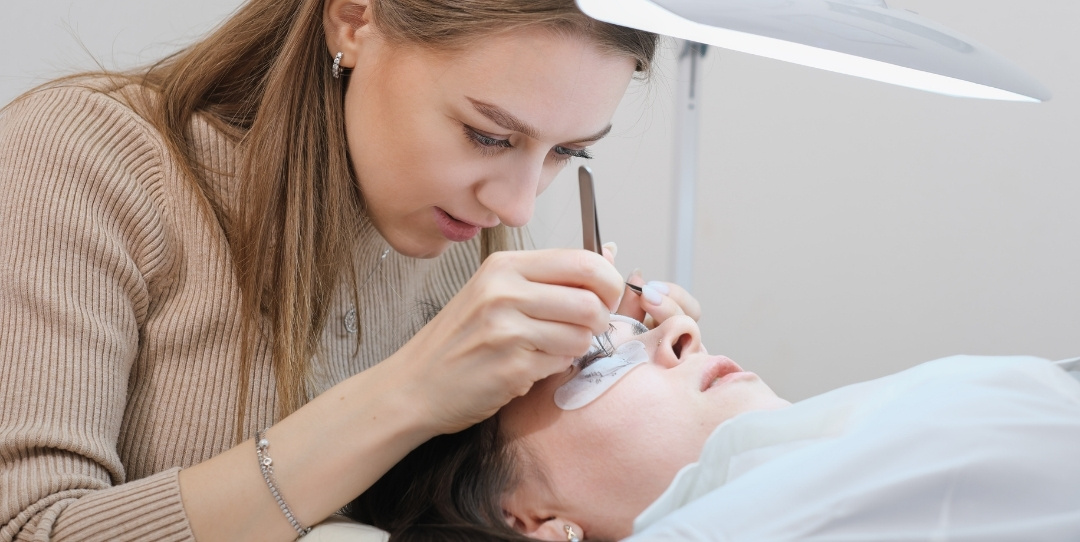
- Place under-eye pads to protect the skin.
- Gently apply remover to the lash line.
- Wait 2–5 minutes for the adhesive to fully dissolve.
- Use professional tweezers to gently slide extensions off.
- Cleanse the area to remove residue.
- Apply nourishing lash serum to protect natural lashes.
This process requires precision, training, and sterile tools something DIY methods often lack.
E. Expert recommendations
Removing lash extensions at home might feel like the fastest solution, but the risks often outweigh the convenience. Damage to your natural lashes, skin irritation, and infection are just some of the possible outcomes.
There are certain situations where you should never attempt at-home removal:
- If your eyes are irritated, inflamed, or recently had an allergic reaction.
- If you’re wearing volume or mega-volume lashes with a thick adhesive bond.
- If you’re unsure which products are safe to use around your eyes.
If you truly can’t visit a salon:
Contact a mobile lash tech who can visit you. And whatever you do, never pull, pick, or rub.
Removing lash extensions at home might feel like the fast solution, but the risks of DIY lash removal often outweigh the convenience. Damage to your natural lashes, skin irritation, and infection are just some of the possible outcomes.
When possible, always book a proper removal with a trained lash tech. If you’re stuck, be informed, use salon-grade products, and treat your lashes with care. For more information on how to safely remove lash extensions at home (or rather, why professional removal is best), consult a professional.
For more tips, check out our aftercare guide. Always pair it with lash Shampoo for clean, healthy results.